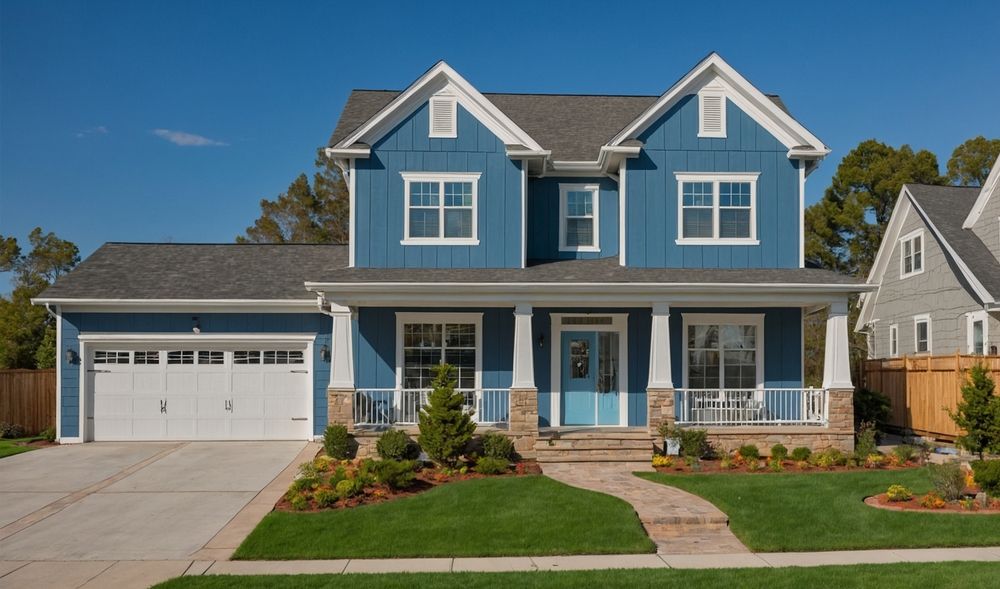

Creating An Open Floor Plan: Design Ideas & Tips
Modern living is characterized by open floor plans, driven by homeowners' demand for connected, versatile spaces.
An open concept floor plan is achieved by eliminating walls and merging the kitchen, dining, and living areas, creating a lighter, more usable space that feels bigger and friendlier.
The open plan house design became popular in the middle of the 20th century and remains popular today, particularly with
custom house builders whose priorities are as much about maximizing light, flow, and usable space. These designs enhance sightlines and make cooking, talking, and entertaining easier in a single area.
An open concept home design must be effective in achieving a good layout that handles noise levels, zoning, and cohesion. Here is a guide to the basics of creating an open plan living room and the rest of the spaces that will be comfortable and easy to move around.
Understanding the Basics of an Open Floor Plan
It is worth discussing how before one gets into the how.
An open concept home design has no boundaries, allowing light to enter various spaces and creating the illusion of more square footage, even in small houses.
This style became popular in the middle of the 20th century amongst modernist architects who advocated continuous spaces and were against strict lines. Now it is standard in open plan houses, which millennials, empty nesters, and all fall in love with.
The benefits are numerous:
- Better Flow and Functionality: It is easy to cook, talk to guests, or monitor the kids while cooking.
- Enhanced Social Interconnection: Ideal to host, because the open living room will blend appropriately with the dining and kitchen space.
- Improved Light and Views: There are windows in a single area, and they form the entire space.
- Higher Home Value: Smart homes with open concept floor plans tend to sell quickly and at higher prices.
Steps to Create an Open Floor Plan
Creating an open floor plan involves more than just tearing down walls; it's a deliberate process that considers structural, functional, and aesthetic aspects. You can begin by following these steps.
1. Assess Your Current Space and Set Goals
Start with a reasonable assessment of your house. Move through the rooms you wish to open and mark load-bearing walls, plumbing, and electrical lines.
It is necessary to hire a structural engineer or an architect to identify which walls can be safely removed. This can be done during renovations, when it may be discovered that there are obstacles that are not easily noticeable, such as old wiring that needs to be replaced.
Establish what you want: Do you want a large, open plan living room with the kitchen open to it or a full-running open concept floor plan with dining? Consider your budget.
Renovations may be expensive based on the scope, materials, and location. New builds are more flexible, as they allow you to apply the open plan house designs incorporated into the blueprint stage.
2. Plan the Layout and Zoning
When the evaluations are over, draw your dream open concept house plan. Visualize the space using software or a contracted designer.
Direct attention to zoning—separating the open space into wall-free functional areas. An example is to set up the kitchen island as an extensive barrier between the living and kitchen spaces.
Incidental traffic flow: Ensure pathways are at least 36 inches wide. Consider the sightlines—when sitting on the sofa, you should not see anything in between the kitchen to increase the openness.
3. Handle Structural Changes
In case the walls are to be removed, consult experts. Beam reinforcements for ceilings should be installed where structural integrity is required. Here is where open plan house designs excel: Bare beams construction can add an industrial touch.
Utility upgrades: Move plumbing of sinks or electrical of lighting. This stage may involve permits; examine the building codes in the area.
4. Implement Design Elements
Having established the frame, now focus on aesthetics. Select flooring options that integrate with the space, such as hardwood or tile that flows continuously. Neutral tones are applied to paint walls to establish continuity.
Add multifunctional elements: a kitchen island and a bar seating area can serve as a casual dining area and be easily combined with zones.
Design Ideas for Your Open Floor Plan
With this background in place, we can now consider some creative design concepts to make your open floor plan shine. These ideas are based on professional ideas to make the paper coherent and stylish.
Zoning with Furniture and Rugs
In an open plan living room, the furnishings are essential for delimiting wall-less areas. Position the sofas and chairs so they create conversation areas, possibly by supporting a sectional on a half-wall or an island. Anchor the zones with area rugs, with a big rug under the seating area of the living room to remind you of the difference between the dining and the living areas.
For example, a modern open concept floor plan would include a console table behind the sofa to separate spaces without being overbearing and provide storage.
Lighting Strategies
In open planhouses, lighting is a very important factor. Imbued layer, task, and accent lighting: Over the kitchen island, there are pendant lights, recessed cans of general lighting, and floor lamps in the living room. Maximize windows or skylights for natural light.
Dimmers also enable one to control their mood -bright during cooking, soft during relaxing.
Color Schemes and Materials
A single color palette will help keep an open concept home layout cohesive.
The whites, grays, and beiges form the peaceful background, while the accessories add color, giving it personality. Repeat: The same wood tone should be used for the cabinets, table, and shelves.
Integrating Kitchen and Living Spaces
Many open floor plans focus on the kitchen-living merger. Use smooth appliances and open shelves to make this space look spacious. Interaction is promoted by using bar-height counters.
Built-in features such as bookshelves or fireplaces, which are the centers of attention and outline areas indirectly.
Creative Storage Solutions
In open spaces, storage is essential to avoid congestion. Install multifunctional pieces of furniture, e.g., ottomans with compartments or shelves attached to walls.
Floating cabinets in open plan living rooms leave the floors open, increasing the sense of space.
Practical Tips for Open Plan Living
One is design; the other is day-to-day life. The following are ways of making your open floor plan livable.
Acoustic Management
Fight with soft furnishings: Area carpeting, curtains, and upholstered furniture. Sound-absorbing acoustic panels that masquerade as artworks do not compromise beauty.
Odor and Mess Control
Install a powerful range hood. Cover kitchen messes using cabinetry that has doors. In the open living room, use easy-to-clean fabrics.
Privacy Solutions
Sliding barn doors or room dividers are flexible for custom homes where separation is required only occasionally. In open concept house designs with home offices, a glass wall is used to ensure transparency while reducing noise levels.
Traffic Flow
Pathways should be wide enough (at least 36 inches). High-traffic places should not have furniture to avoid bottlenecks.
Energy Efficiency
Big open rooms are drafty. Take advantage of ceiling fans, smart thermostats, and energy-saving windows. Orient the open plan house designs to maximize passive solar gain.
Conclusion
Designing an open floor plan is an enjoyable task that can bring life back into your house, fostering a sense of connectedness and comfort.
With these steps, concepts, and advice, you are bound to create a beautiful, functional open plan living room and an overall design. It does not matter whether you are adopting open plan house plans for
new home construction or
remodeling a home for use; the trick is in the careful planning and integration.
Start small,
consult professionals, and watch your space transform into a modern haven.
FAQs
What is an open floor plan?
An open floor plan—also called an
open concept floor plan—combines the kitchen, dining, and living areas into one ample, wall-free space to improve flow, sightlines, and natural light.
How much does it cost to create an open plan house design?
Costs vary widely based on wall removal, structural beams, permits, and finishes. Simple projects may start in the lower range, while significant structural changes can significantly increase the budget.
How do I define zones in an open plan living room without walls?
Use furniture placement, area rugs, lighting, flooring variations, and color accents to create clear kitchen, dining, and seating zones while keeping the space open.
Can I remove any walls to create an open concept home layout?
No. Only non-load-bearing walls can be removed safely. A structural engineer or qualified contractor must assess load-bearing walls and design proper support before making changes.