
What is a Spec Home? Complete Detailed Guide
It is hard to find the right home, particularly when inventory is low and demand is high. This is why new construction, namely spec houses, is a subject many buyers are considering.
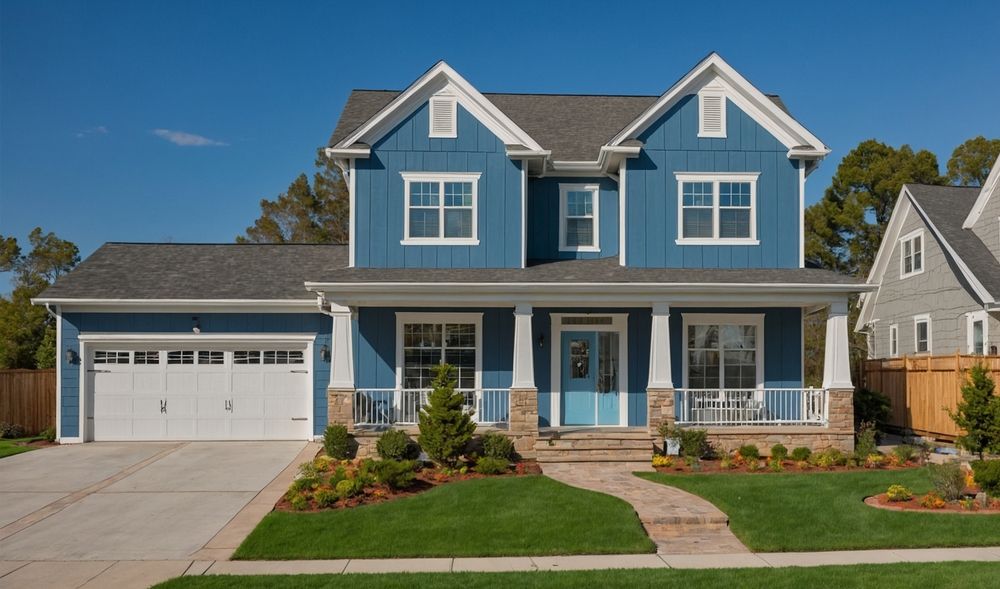
A spec home, also known as a speculative home, is built by a home builder without a buyer present, with the hope that it will sell quickly. These homes offer a good value, modern design, convenience, and solid construction, making them a favorite among first-time buyers, families, and even investors, even when alternatives from
custom home builders are considered.
When you no longer want to engage in a bidding war or need a move-in-ready home, knowing about spec homes can help. This guide will describe them, how they differ from custom builds, how they are made, their advantages and drawbacks, and how to purchase one.
What is a Spec Home? Unpacking the Basics
A spec home is a newly built house constructed by a professional builder without a buyer secured in advance. Instead of coming with previous owners or renovation needs, these homes are built from the ground up, often in popular neighborhoods or planned communities, and are typically move-in ready.
The "speculative" part reflects the builder's calculated risk: they invest time, money, and resources upfront based on market demand, location trends, and broadly appealing design choices.
How Spec Homes Differ From Other New Builds
Spec homes aren't the same as model homes or tract homes. Model homes are furnished showcase units used to market a community. Tract homes are identical or near-identical builds across large subdivisions.
Spec homes, however, are real, livable properties that often include unique touches to attract buyers in competitive markets.
Spec Home vs. Custom Home: Key Differences Explained
When exploring new builds, the choice between a spec home and a custom home often comes down to priorities: speed versus personalization.
So, what is a spec home in contrast to its custom counterpart? A custom home is engineered from scratch based on the buyer's exact specifications, from layout and materials to architectural style. In contrast, a spec home follows a pre-approved blueprint chosen by the builder to minimize risks.
Let's break it down in a quick comparison table for clarity:
Design Control
Limited, builder-selected features
Full; buyer dictates every detail
Timeline
3-6 months to move-in ready
12-24 months from concept to keys
Location
Builder-chosen lots in developments
Buyer-selected site
Risk for Buyer
Low; see and touch before buying
Higher potential delays/overruns
The Step-by-Step Process of Building a Spec Home
Wonder how these homes are created? The process of building a spec house is a planned ballet of research, implementation, and sales.
Contrary to custom builds, where consumers make the call, builders push the process toward profitability and speed. The following is a step-by-step description:
Market Research and Site Selection (1-2 Months)
The builders take the first step by analyzing local trends, including demographics, income levels, and hot neighborhoods.
They survey parcels in developing neighborhoods, including suburban developments surrounding tech centers, and have their size and design approved by zoning authorities.
Instruments such as census data can be used to forecast what will sell: consider 3-4 bedrooms with 2,000-3,000 square feet in the modern market.
Design and Planning (2-4 Weeks)
Then, they choose a library of existing floor plans or customize existing plans to be appealing to the masses.
The decision is shaped by energy codes, HOA regulations, and budgetary restrictions, and it involves choosing materials that are long-lasting and low-maintenance, such as vinyl siding or quartz countertops.
An architect or an internal team prepares blueprints, hoping that wow elements such as vaulted ceilings will not be ballooned.
Permitting and Pre-Construction (1 month).
It is essential to get approvals. The builders present plans to local authorities for building permits, environmental reviews, and utility hookups.
The phase at this point is budgeting: an average spec house could be built per square foot, and it is financed with construction loans.
Construction Phase (3-6 Months)
Groundbreaking! Crews will pour foundations, frame the building, add roofing and plumbing, and then install interiors.
Spec properties incorporate lean assembly-line practices, e.g., prefabricated parts, to cut weeks off schedules.
Quality inspections also ensure conformity, and upgrades, such as smart thermostats, are adopted to gain market interest.
Marketing and Finishing (Ongoing)
When completion is near, staging occurs. Professional photos, a virtual tour, and open houses are launched.
Smart Home builders are registered on MLS websites and aim to reach realtors and the internet. The goal? Sell existing or shortly after completion to eliminate holding costs.
Advantages and Disadvantages of Buying a Spec Home: Is that the right one?
Weighing the scales? There are definite advantages to buying a spec home in a seller's market, but there is no such thing as a free ride.
The Advantages:
- Lightning-Fast Move-In: No wait of years to have a piece of furniture built—several spec houses are available today or in 30-60 days. Ideal in cases of emergency migration.
- Affordable and foreseeable Prices: Fixed cost implies no unexpected expenses. Bulk builder purchases can make them 15-25% less expensive than made-to-order.
- Hands-Off Experience: You are not in the mood to make selections, but you can pick colors as long as it is mid-build. In addition, defects are covered by full warranties (mostly 1-10 years).
- Quality Enhancement: To entice buyers, specifications are frequently advertised with high-end features such as hardwood floors or granite islands, features that may not be available in value models.
The Disadvantages:
- Minimal Customization: You have to live with the builder's vision. Want a different layout? Bad omen--meaningful changes can not be made after framing.
- Location Lock-In: Not where you want, but where the builder wants. It may not be your dream school district or drive.
- Possible Quality Corners: Thinner materials and little or no insulation to reduce the costs are mentioned by critics, but reputable builders are interested in durability.
- Less Negotiation Power: Ready inventory; prices are hard, and fewer concessions are made compared to resales.
Spec Home Builders: Who They Are and How to Choose One
Spec home builders are also volume- and efficiency-oriented, with some building 50-200 projects per year. They fund it through loans, sell it through realtors, and use data analytics to forecast hits, such as EV chargers in eco-conscious burbs.
Choosing one?
- Begin with reputation: Research online opinions on websites and visit previous construction projects to see the quality.
- Check licenses, warranties, and green certifications.
- Inquire about upgrade opportunities and schedules.
- Top picks often have transparent processes and strong after-sales support.
In a nutshell, the right builder makes a spec for your home.
Essential Tips for Buying a Spec Home
Ready to pounce? Arm yourself with these tips:
- Inspect Well: Even in new construction, it is advisable to hire a home inspector to check for hidden problems.
- Buy Smartly: Push the cost of closing or appliances in a slow market.
- Factor in Resale: Choose classic designs over fashionable ones.
- Budget on Extras: Include movers, landscaping, or other minor changes at 5-10 percent.
- Shop Around: Check on the specifications of several builders to find the best price.
Your Path to a Spec Home
We have gone through the basics of what constitutes a spec home, as well as the various pitfalls to avoid when working with builders. These speculative gems offer a quick, easy, and, for the most part, uncomplicated path to new-home happiness. For convenience, check local listings today.
Ready to build your story?
Find a realtor and enter your future.
Frequently Asked Questions About Spec Homes
What is a spec home?
A spec home (short for "speculative home") is a new house built by a developer or builder without a specific buyer in mind. It's designed to appeal to a broad audience, using popular floor plans and features to sell quickly once completed.
How long does it take to close on a spec home?
Faster than most! If it's fully built, expect 30-45 days from offer to keys (loan approval, appraisal, etc.). Under-construction specs might add 1-3 months.
Are spec homes a good investment?
Absolutely, especially now. With low inventory and rising rates stabilizing in late 2025, specs offer instant equity in growing areas.
Do spec homes come with warranties?
Yes. Standard new-home warranties cover quality (1 year), systems such as plumbing/HVAC (2 years), and the structure (10 years).