
What are the Different Types of Construction? Complete Detailed Guide
Construction defines the world that we live in, whether it is our modest houses or high-rise buildings. Dreaming about having a family-friendly house or about a business hub, knowing the kind of construction allows you to make wise decisions.
All types have their own unique characteristics, prices, and advantages, including longevity, fashion, and affordability. Which one is more durable or friendlier to children and pets?
This guide outlines the topic with concrete information and experience. To seek expert advice, consult a
custom home builder to simplify your project. We shall venture into construction planning and review your choices.
Different Types of Construction
Construction is purpose-driven and involves more than just using bricks and mortar.
Residential, commercial, industrial, and specialty construction are the main types of construction. They all serve a variety of functions, such as providing housing for families or supplying energy for industrial processes.
Commercial buildings specialize in business spaces, while residential buildings specialize in constructing homes. Heavy-duty buildings, such as factories, are part of industrial construction, while bridges are part of special-purpose construction.
Because these categories vary in terms of materials, rules, and deadlines, choosing the right kind is essential.
To meet current demands, builders are focusing on energy efficiency and contemporary design in
new home construction. This understanding of the fundamentals will help you choose a type that best meets your needs and budget.
Residential Construction
Residential construction brings homes to life, whether in a large estate or a small apartment. We will discuss the key categories and their distinguishing features, specifically for families, pet owners, and affordable builders.
Single‑Family Homes
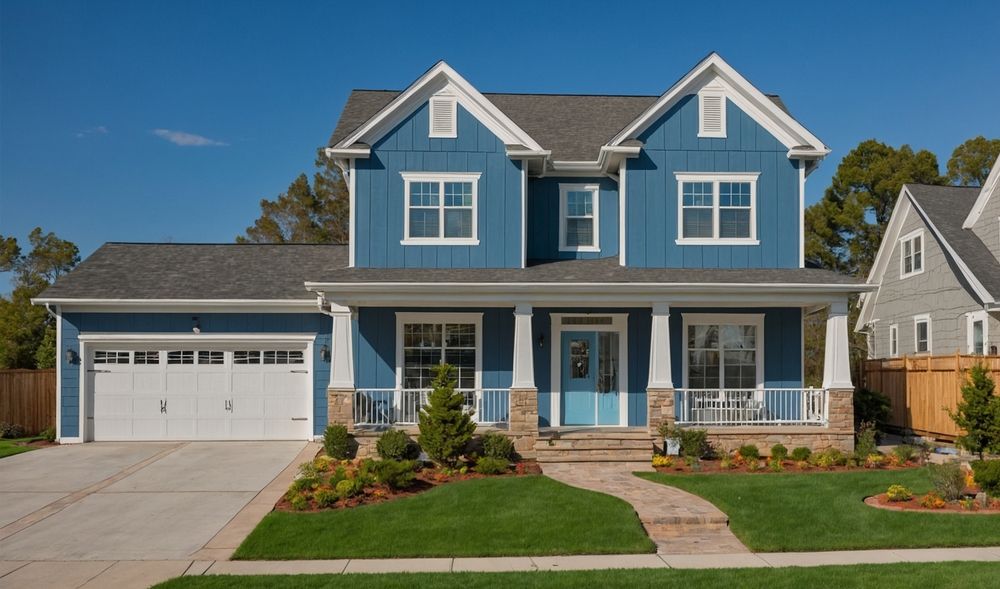
Single-family houses are stand-alone homes that offer privacy and freedom. Imagine suburban homes with yards fit to play with children and pets. The materials used in these homes are either wood, brick, or concrete, and with proper care, the
sustainable houses have a lifespan of between 50 and 100 years.
Pros also include complete design control and no shared walls. Nevertheless, there can be accumulating costs of land and maintenance.
The family should choose all-purpose flooring, such as tile or hardwood, that resists wear from muddy paws or spilled juice.
Although they feel luxurious, single-family homes are expensive to maintain. They would suit people who enjoy quiet and solitude.
Multi-Family Homes (Apartments, Condos)
Multi-family residential properties are those that combine multiple residential properties, such as apartments or condominiums, into a single building. They offer amenities such as gyms or pools and are prevalent in urban areas.
Some of its advantages include affordability and community. The disadvantages include reduced privacy and homeowners' association fees. These buildings are typically sided with concrete to withstand wet conditions, making them ideal for use in damp environments.
They provide a long-term, affordable alternative for city dwellers and those with small families. People who value low-maintenance living will be pleased with multi-family homes.
Modular and Prefab Homes
Modular and prefabricated homes are assembled on-site after being produced in factories. They are inexpensive, have a quick turnaround, and are environmentally sustainable.
Their speed and eco-friendliness make them desirable for people on a tight budget. Limited customization and occasionally lower resale value are weaknesses. A bright floor plan makes the best use of available space, making the home appear larger.
The addition of stone accents elevates these homes to a premium. They are durable, built to last 30 to 50 years, have vinyl or laminate flooring, and are pet-friendly. Modular construction is a wise choice for those seeking a modern and affordable home.
Commercial Construction
Commercial construction creates spaces for businesses, such as opulent offices and busy restaurants. Compared to residential construction, these projects are larger and more expensive, yet built with functionality and aesthetics in mind.
Office Buildings
There are both straightforward suburban office building complexes and tall skyscrapers. Concrete, glass, and steel are used in their construction to ensure they last over 50 years. Its advantages include professional aesthetics and accessibility.
High costs and drawn-out implementations are drawbacks. Because energy-efficient windows reduce utility costs over time, the offices become more environmentally friendly.
They take on the responsibility of projecting an upscale appearance and dazzling clients with their cutting-edge design. Although it's crucial to keep them well-maintained, offices are both fashionable and functional for business owners.
Retail and Hospitality
The retail and hospitality industry includes restaurants, hotels, and stores. These buildings are designed with the customer experience in mind, featuring open spaces and welcoming designs.
The advantages include increased traffic capacity and the ability to brand. There are some disadvantages, such as complicated regulations and frequent updates.
To ensure its longevity, the roofing system should be made of a durable material such as metal or asphalt. Hotels are better equipped with pet-friendly lobbies with tile floors. These areas are high-quality and can withstand heavy use, making them ideal for customer-focused businesses.
Industrial and Specialized Construction
Some projects go beyond homes and offices to address heavy-duty or special needs. Specialized and industrial construction have strong purposes and designs.
Industrial Construction
The industry construction includes factories, warehouses, and power plants. These buildings are built with steel and concrete and can last for decades.
Its advantages include endurance and the ability to operate heavy machinery, while its disadvantages include high costs and the inaccessibility of its location. Post-and-beam styles provide structural strength suitable for heavy machinery.
These structures withstand harsh weather, which is useful in industries such as manufacturing. Industrial buildings will serve those in need of a workhorse structure.
Specialized Construction
A developed building is a type of specialized construction that works on unique projects such as bridges, dams, and green buildings.
These benefits include sustainability and innovative design, and disadvantages include complexity and cost.
Sustainable residential facilities, such as solar-powered houses, reduce environmental impact while maintaining a contemporary appearance. They are treated to be moisture-insensitive, allowing them to be used in damp climates. Special construction has limitless possibilities for those who want to see a one-of-a-kind project.
How to Choose the Right Type of Construction?
Although selecting the best building technique may seem challenging, it is achievable with a clear plan.
Start by assessing your budget: single-family homes are better suited to larger budgets, while modular homes are better suited to smaller ones.
Next, think about your lifestyle. Do you think privacy is important? Select a single-family home. Do you enjoy the bustle of cities? Think about housing for multiple families.
Retail, office, and commercial structures that meet your brand's needs. Evaluate upkeep: While new construction saves effort, older homes might need renovations. Think about your climate: coastal siding resists humidity, and radiant heating works well in cold temperatures.
For children and pets, choose durable flooring, such as tile. Do you desire an upscale appearance? Charm can be found in luxurious bathrooms or custom homes. To increase moisture resistance, ask professional
home remodeling contractors if dormers can be added. Your ideal type fits your goals and way of life.
Conclusion
When it comes to navigating the various types of construction, there is no need to worry. For single-family homes or industrial complexes, two kinds of facilities offer unique benefits that can be tailored to individual budgets and lifestyle preferences.
If you value longevity, the ability to keep a pet, the aesthetic quality of
luxury custom homes, or an environmentally friendly home, there is a solution for you. It's a good idea to take your time and carefully consider what you need, visit model homes, or even give the real builders a call. With such resources, you will be able to make an informed decision.
If you want to get started, we recommend
researching the luxury home offerings
available locally to get an idea and move your project forward.
FAQs
What are the main types of construction?
The main types of construction are residential (homes), commercial (businesses), industrial (factories), and specialized (bridges, green buildings). Each uses specific materials and designs to meet unique needs, like family living or heavy industry.
Which construction type is best for families?
Single-family or modular homes work great for families. They offer space and durable smart home features for safety, like automated lighting. Tile or hardwood flooring is kid- and pet-friendly.
How do I know if a construction type is durable?
Check materials—concrete and steel last longer than wood. Ask the
builder questions about lifespan and maintenance. For example, coastal siding boosts durability in wet climates.
Can construction types handle extreme weather?
Yes, industrial and specialized builds are designed to withstand harsh conditions. Dormer types add moisture protection, while steel or concrete ensures strength against wind or storms.