
Second Story Addition: What Homeowners Should Know
Dreaming of more space in your home? A second story addition might be the answer. It’s a big step, but it can give you extra rooms without eating up your backyard. Custom home builders have seen families transform their homes with this kind of project.
It’s not just about space. A second story addition can boost your home’s value and make it fit your life better. Maybe you need a new bedroom or a quiet office. This guide breaks down tips inspired by second floor addition ideas to spark your creativity.
Let us walk through what you need to know. From planning costs, I’ve got you covered with practical advice that doesn’t feel like a lecture.
Why Consider a Second Story Addition?
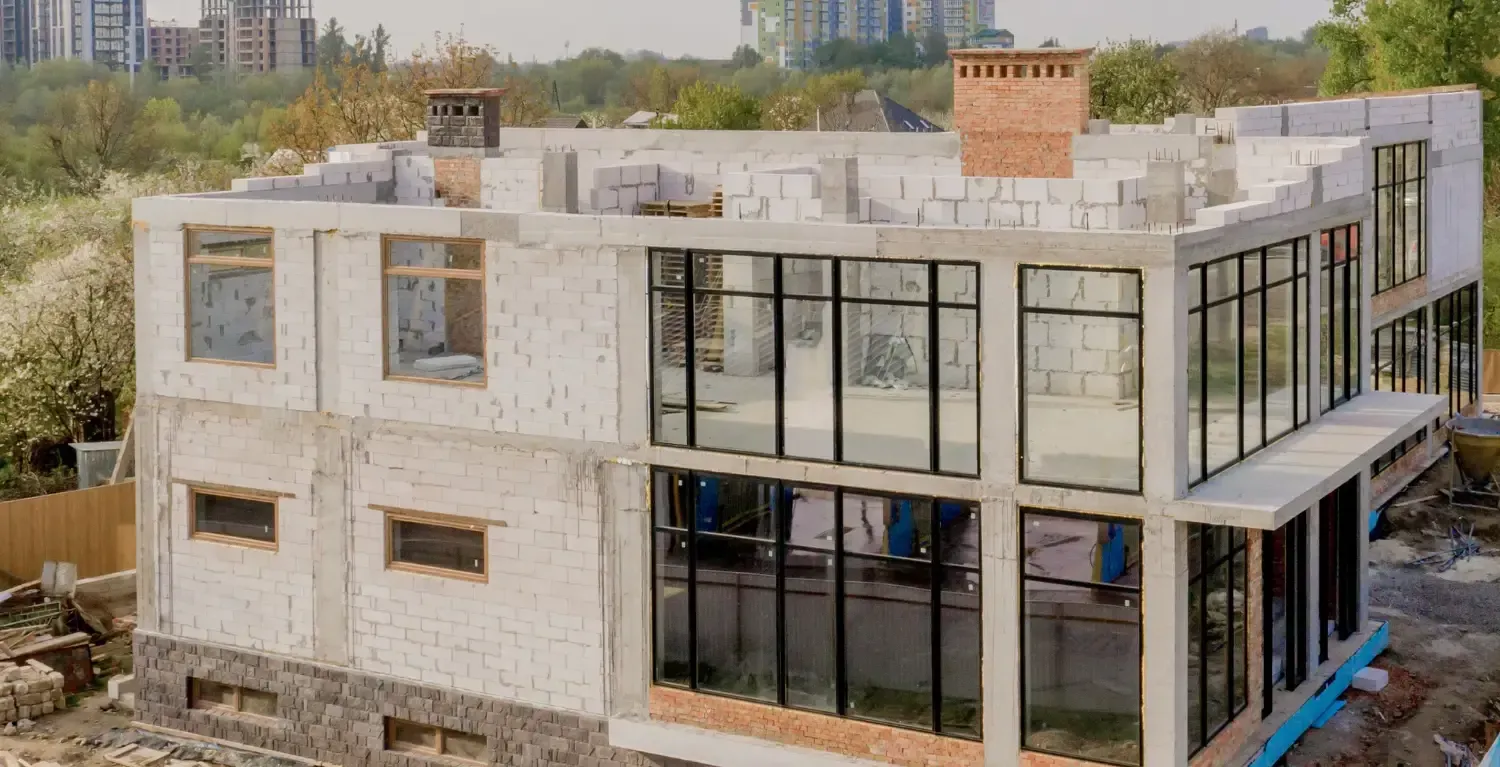
A second-story addition adds space without touching your yard. You can create bedrooms, a home gym, or even a cozy reading nook. It’s perfect if your lot’s too small for a ground-level expansion.
This type of project can increase your home's value. Buyers love extra rooms, especially in family-friendly neighborhoods. Plus, you don’t have to pack up and move. Construction planning keeps everything on track so your vision comes to life without chaos.
Think about what you need. More space for kids? A private retreat? Knowing your 'why' shapes the entire project. It’s your home and your rules.
Benefits of adding a second story
A second-story addition saves your outdoor space. You keep the patio or garden you love. It can also refresh an older home, making it feel modern and spacious.
You get to decide how to use the new rooms. A guest suite? A playroom? The options are endless. Unlike adding on, going up doesn’t mess with your driveway or landscaping.
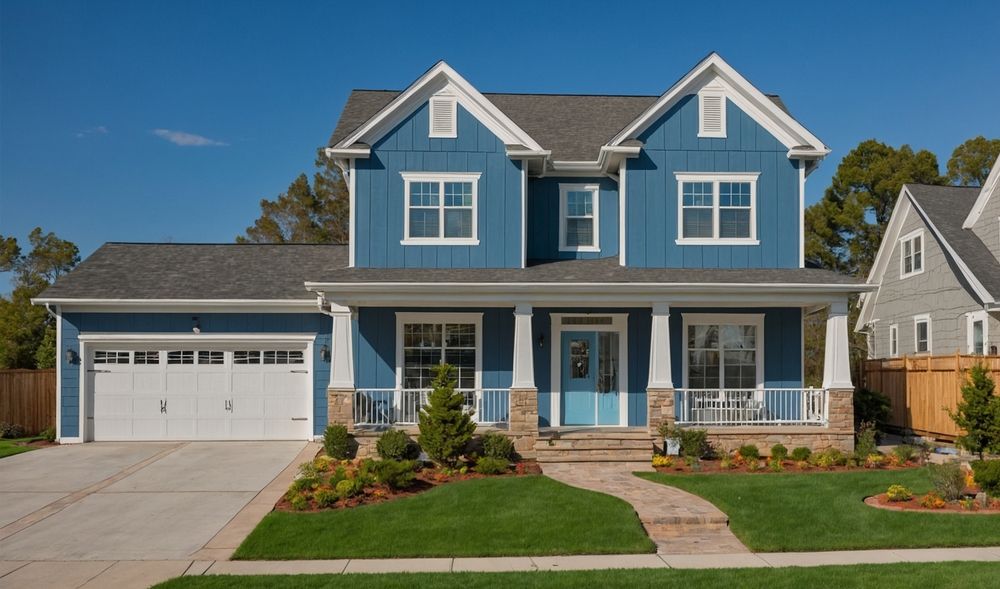
The best part? It can blend right in. With the right design, your new story looks like it’s always been there. Nobody likes an addition that screams “tacked on.”
Planning Your Second Story Addition
Jumping into a second-story home addition takes some prep. You can’t just start hammering away. Your home’s structure, budget, and local rules all play a part. Here’s the deal.
Check Your Home’s Foundation
Your foundation has to hold the extra weight. A weak one could mean trouble, like cracks or worse. Get a structural engineer to take a look. They will tell you if adding a second story is doable. Project management makes sure this step doesn’t get skipped.
If your foundation needs work, it’ll cost extra. Plan for it. Safety’s not worth cutting corners on.
Understand Local Building Rules
Every town has building codes. These cover items such as height limits and safety standards. Check with your local building department. Permits aren’t optional, and they take time.
A good contractor knows the drill. They will handle the red tape so you don’t have to. It keeps your project moving without hiccups.
Plan the Design Early
How will the new space connect to your house? Need a staircase? Think about the flow. Sketch your ideas or hire an architect.
The outside matters too. Matching your home’s siding or roofing makes it look seamless. Planning now saves you from pricey do-overs later.
What is the Cost of a second-story addition?
A second-story addition isn’t cheap, but it’s an investment. Let us break it down.
Factors that affect the Costs
Size is a big factor in the cost of a second-story addition. Bigger additions cost more. Materials matter too. Fancy hardwood or custom windows? That’ll bump up the bill.
Where you live affects labor costs. City rates are often higher than those in rural areas. If your home needs structural fixes, such as a stronger foundation, that’s another expense.
Hidden Costs to Watch for
Things can sneak up on you. Your heating or cooling system might need an upgrade to cover the new space. Adding a bathroom? Plumbing and electrical work add up fast.
You might need a place to stay during construction. Budget for that possibility. Home remodeling projects like this require a solid financial plan to avoid stress.
How to Save a Bit
You don’t have to break the bank. Stick to standard materials instead of high-end ones. Keep the layout simple to cut labor time. Get quotes from a few contractors to find a fair deal.
Plan thoroughly from the start. Changing your mind mid-build can lead to extra fees. A clear vision keeps your wallet happier.
Smart Design Tips for Your Second Story Addition
A second-story addition should be useful and look good. You want a space that works for you and feels like home. Here are some ideas to get it right.
Maximize Natural Light
Big windows or skylights make the space feel airy. They can also show off a great view. Energy-efficient windows save on utility bills. Who doesn’t love a bright, sunny room?
Make It Versatile
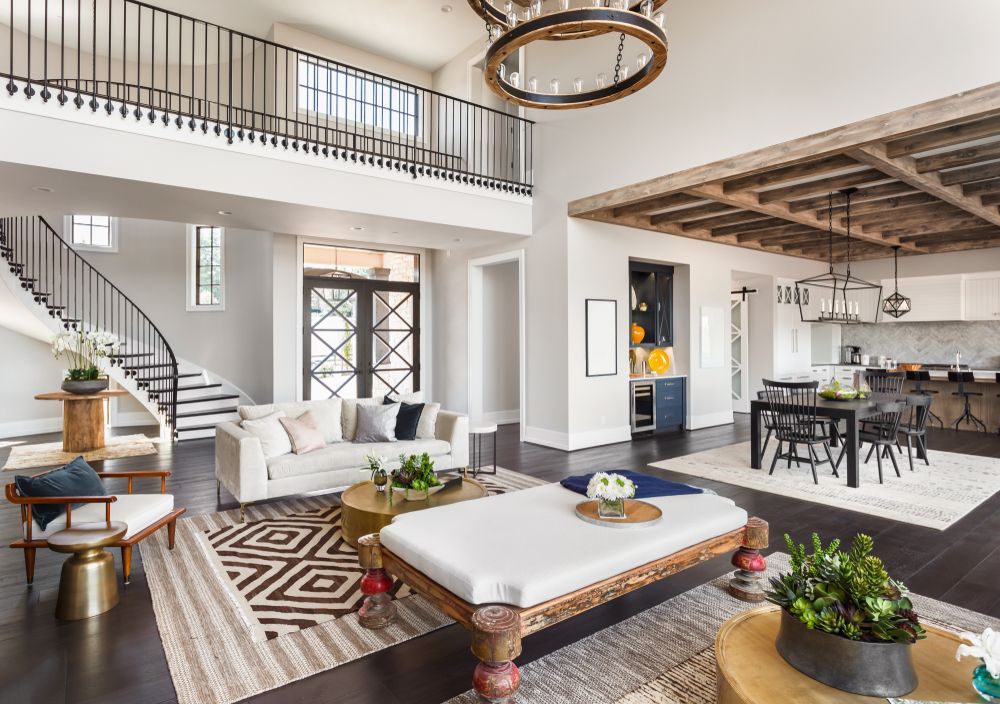
Design rooms that can do double duty. A guest bedroom could be an office when no one’s visiting. Built-in shelves or closets keep things organized. Second-floor addition ideas like these make the space work for years.
Keep It Consistent
Your addition shouldn’t stick out like a sore thumb. Use the same exterior materials as your home, like brick or siding. Inside, match the flooring or trim. It ties everything together.
Think Long Term
How will you get to the new floor? A staircase is a must. If you plan to stay in your custom home as you age, leave room for a future elevator. Practical thinking pays off.
What to Expect During Construction
Building a second-story addition isn’t a quick job. Knowing the process helps you stay sane. Here’s what’s coming.
Hire the Right Team
Hire a contractor who has experience adding a second story before. Check their references and past work. A good team keeps you informed and adheres to the plan.
An architect can fine-tune your ideas. They ensure the addition fits your needs and meets the necessary codes. New construction projects thrive with pros who know their stuff.
Timeline Expectations
Expect six months to a year. Weather, permits, or material delays can cause delays. Foundation work takes the longest.
Your contractor should give you a timeline. Request updates to stay informed. It helps you plan around the mess.
Living Through the Construction
Going up is less disruptive than building out, but it’s still messy. Dust and noise are inevitable. Some folks move out for the noisier phases.
Discuss with your contractor how to minimize disruptions. They can set up dust barriers or schedule loud work for when you are out. It makes life easier.
Avoiding Common Pitfalls
A second-story home addition can hit snags. Knowing what to watch for keeps you ahead of the game.
Structural Issues
Older homes may not be equipped to handle extra weight. A structural engineer’s check is non negotiable. Address issues promptly to prevent delays or safety problems.
Budget Overruns
Unexpected costs can pile up. Keep a cushion in your budget for pitfalls. Clear communication with your contractor prevents pricey mix-ups.
Design Mismatches
An addition that doesn’t match your home looks awkward. Work with a designer to get the style right. Review plans carefully before the hammers swing.
FAQs
How long does a second-story home addition take?
Most projects take six months to a year. Permits, weather, and foundation work can stretch the timeline.
Do I need to move out during construction?
It depends. Some stay home, others leave for major phases. Talk to your contractor about what’s best.
Can any home handle a second-story addition?
Not always. A structural engineer must verify that your foundation and walls can support the additional weight.
Make Your Second Story Addition a Reality
A second-story addition can change your home for the better. It gives you space, adds value, and lets you stay put. Plan carefully, budget smart, and pick a solid team to bring your vision to life. Whether it’s a new bedroom or a quiet office, the proper steps make it happen.
Start planning your second-story addition with solutions that fit your needs by consulting with an expert custom builder.